Thank you for participating!
The sorting test you just took is called the Evaluative Priming Task.
We used that task to measure your automatic evaluation of eight of the photos.
Here are the eight photos, ordered by your automatic evaluation of
them, from the one you liked the most, to the one liked the least:

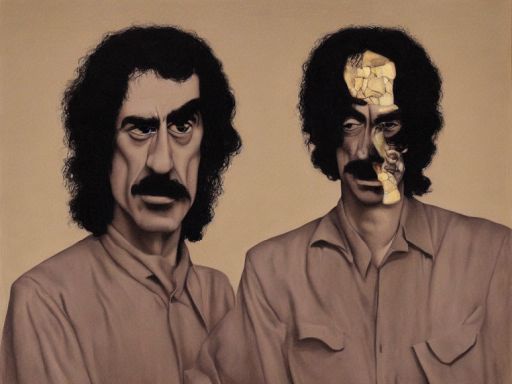


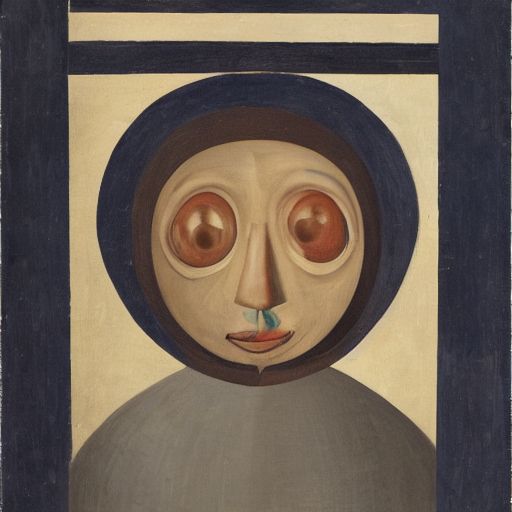



What Is An Automatic Evaluation?
An automatic evaluation is a person's very first quick judgment of objects, people, and social groups. An automatic evaluation can be activated very quickly, effortlessly, and unintentionally. Sometimes, the automatic evaluation is different than the evaluation that the person consciously and explicitly endorses. For instance, a person might endorse an equal evaluation of two objects (words, people, social groups), but still show a more positive automatic evaluation of one of these objects than the other. Some researchers argue that the automatic evaluation might influence people's behavior, especially when the behavior is done under conditions that reduce people's ability to control their behavior.
Disclaimer:
These results are not a definitive assessment of your automatic preferences. The results may be influenced by variables that not related to your automatic evaluation (e.g., momentary variations in how focused you were during the task). The results are provided for educational purposes only. You completed this study in Project Implicit's research section, in which we test new measures, tools and open questions in social psychology. This study is not supposed to test whether you have any implicit bias, or prejudice.
What was this study about?
In this study, we are testing people's automatic evaluation of different photos. We showed you photos that we created especially for this, and tested, using the evaluative priming task, your automatic evaluation of each of those photos. We will examine how people's automatic evaluations of photos differ. Do people tend to show a similar automatic evaluation of the same photos, or do their automatic evaluations vary widely?I Still Have Questions About The Study.
If you have questions about the IAT, please check out our Frequently Asked Questions (FAQ). If you have any questions or comments about the study, please email the lead investigator Noga Segal Gordon (nogasegal1@mail.tau.ac.il) .
Your Participation And Financial Support Are Important!
Thank you again for participating in this research! We have learned so much from people like you taking the time to be part of our work. If you have time, please consider taking another test by clicking the button below.
As a non-profit organization, we would also appreciate your financial support. Since establishment in 2005, we have educated more than a million visitors each year about implicit biases concerning race, gender, sexual orientation, and other topics. Your donation supports Project Implicit's educational, scientific, and public service missions.

No comments:
Post a Comment